
East Antarctica
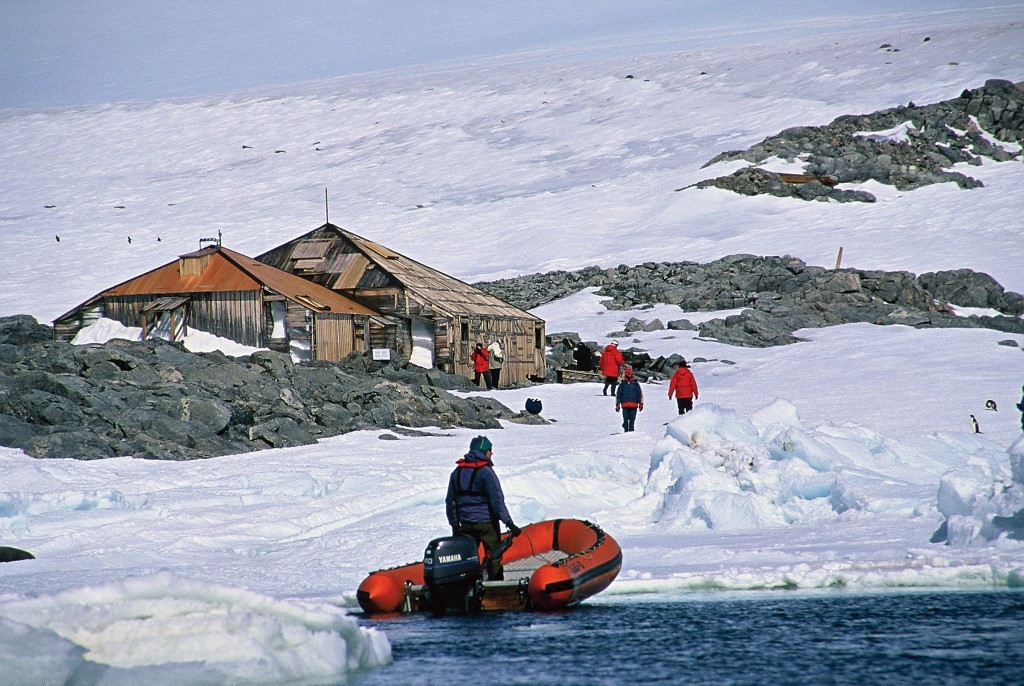
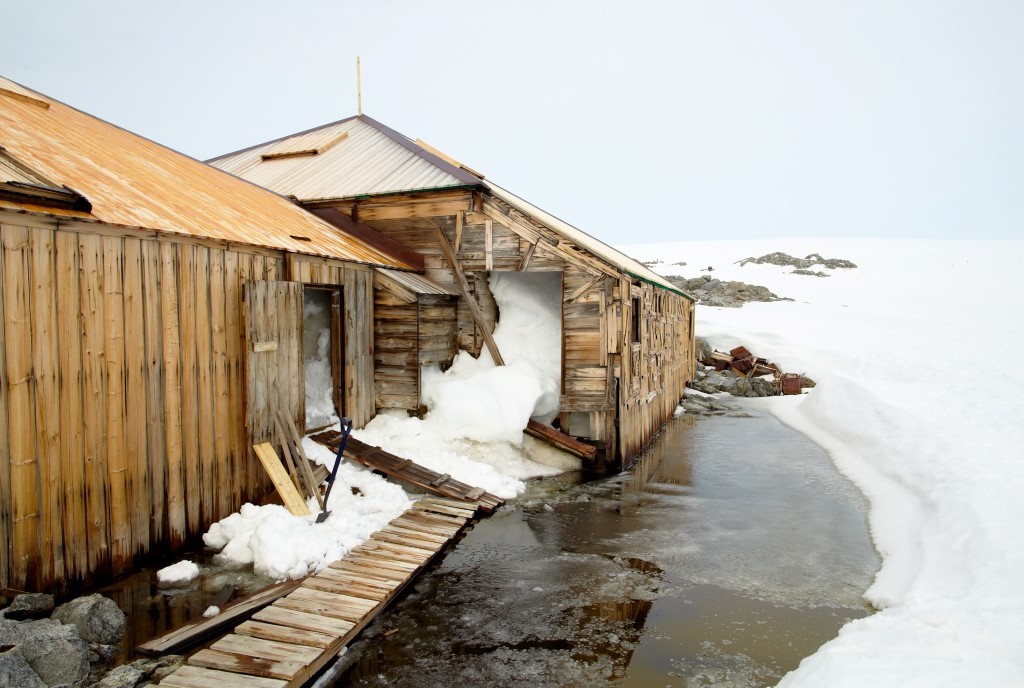
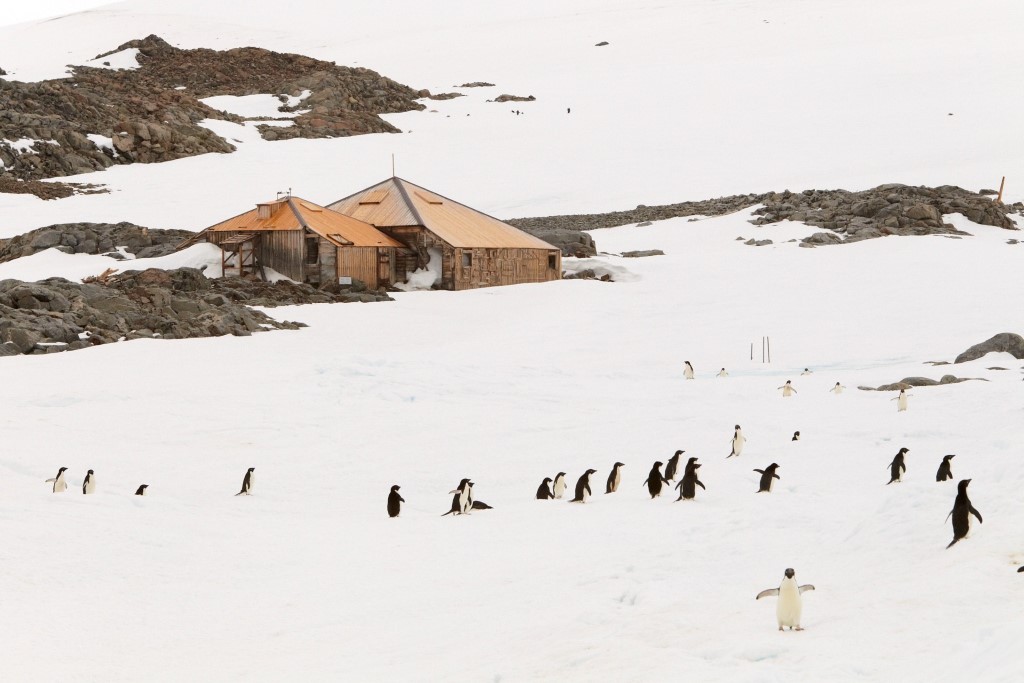
Named “Home of the Blizzard” by Sir Douglas Mawson during the 1911-13 Australasian Antarctic Expedition, this rarely visited part of Antarctica was in fact the location of the very popular film March of the Penguins. The remains of Mawson’s Hut at Commonwealth Bay is a piece of Antarctic history few people have ever seen. The French Base nearby welcomes visitors. Because ice 'breaks out' early in the season it is a great place for wildlife.
Named “Home of the Blizzard” by Sir Douglas Mawson during the 1911-13 Australasian Antarctic Expedition, this rarely visited part of Antarctica was in fact the location of the very popular film March of the Penguins. The remains of Mawson’s Hut at Commonwealth Bay is a piece of Antarctic history few people have ever seen. The French Base nearby welcomes visitors. Because ice 'breaks out' early in the season it is a great place for wildlife.
READ LESSFurther reading

Geography
Physical Features:
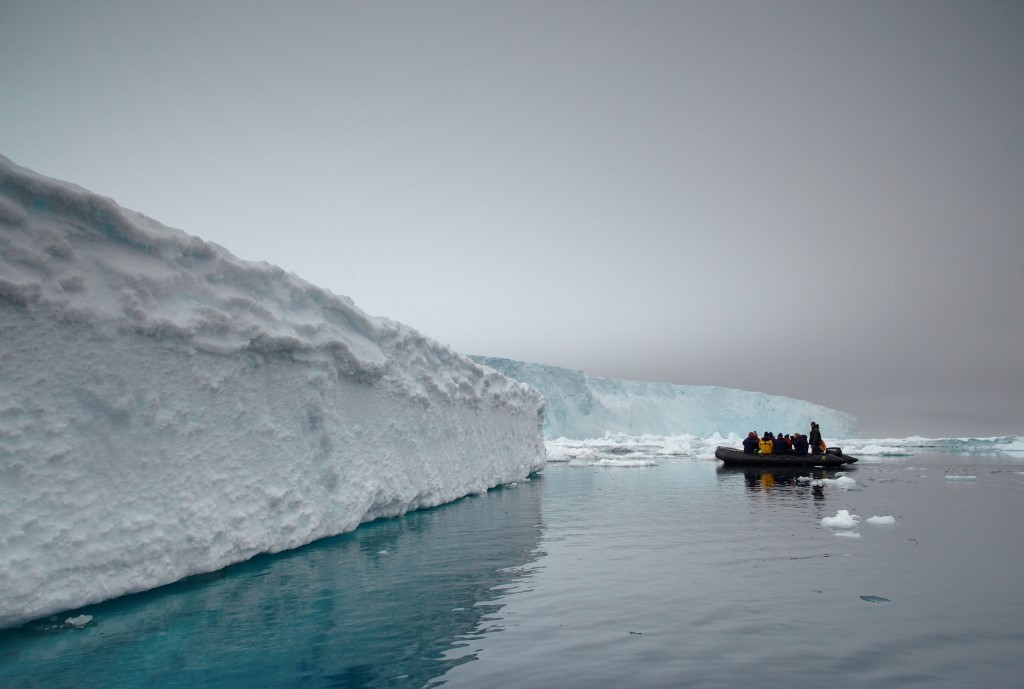
East Antarctica derives its name from the fact that nearly all of it lies in the Eastern hemisphere. East Antarctica is a high plateau covered by a vast, thick ice sheet and is divided from West Antarctica by the Trans Antarctic Mountains. East Antarctica includes regions claimed by Norway, Australia and France.
The Australian claim is by far the largest, it extends from 45º E to 160º E except for a thin slice of Frances Terre Adelie which extends from 136º E to 142º E.
Physical Features:
East Antarctica derives its name from the fact that nearly all of it lies in the Eastern hemisphere. East Antarctica is a high plateau covered by a vast, thick ice sheet and is divided from West Antarctica by the Trans Antarctic Mountains. East Antarctica includes regions claimed by Norway, Australia and France.
The Australian claim is by far the largest, it extends from 45º E to 160º E except for a thin slice of Frances Terre Adelie which extends from 136º E to 142º E.
READ LESS
History
Historical Features:
The areas of this region that have significant human history are spread rather sparsely along the thousands of kilometers of coast. Two particular sites interest us on our East Antarctic Expeditions.
The French base at Dumont d’Urville. The base was named for the French explorer Jules-Sebastien-Cesar Dumont d’Urville and is located on Petrel Island in the Geologie Archipelago. This was near the site that Dumont d’Urville landed in 1842. This station replaces the original French Station at nearby Port Martin which was burnt down in January 1952.
One of the better known (especially to Australians) historical sites is Commonwealth Bay. The Australasian Antarctic Expedition led by Douglas Mawson was based here from 1912-14. The bay takes its name after the Commonwealth of Australia. Mawson referred to it as the “Home of the Blizzard” because of the strong katabatic winds that blow here almost everyday. Remains of the 1912-14 expedition buildings still stand. Conservation of these huts is difficult because of the extreme weather conditions. The Mawsons Hut Foundation, based in Australia has carried out some restoration work and more is planned. Mawson originally intended to have two separate huts, but it was decided instead to join the two together. This hut still stands as do the Magnetograph House, the Magnetic Absolute Hut and the Transit Hut.
A memorial Cross to Mertz and Ninnis who perished on this expedition is located on a small hill to the west of the main hut.
Although not a physical historic site, the South Magnetic Pole is a significant site. It featured a lot in the early exploration of the Ross Sea region. Today this 'wandering' pole is located in the southern ocean off the coast of East Antarctica in the vicinity of Dumont d’Urville and Commonwealth Bay.
Historical Features:
The areas of this region that have significant human history are spread rather sparsely along the thousands of kilometers of coast. Two particular sites interest us on our East Antarctic Expeditions.
The French base at Dumont d’Urville. The base was named for the French explorer Jules-Sebastien-Cesar Dumont d’Urville and is located on Petrel Island in the Geologie Archipelago. This was near the site that Dumont d’Urville landed in 1842. This station replaces the original French Station at nearby Port Martin which was burnt down in January 1952.
One of the better known (especially to Australians) historical sites is Commonwealth Bay. The Australasian Antarctic Expedition led by Douglas Mawson was based here from 1912-14. The bay takes its name after the Commonwealth of Australia. Mawson referred to it as the “Home of the Blizzard” because of the strong katabatic winds that blow here almost everyday. Remains of the 1912-14 expedition buildings still stand. Conservation of these huts is difficult because of the extreme weather conditions. The Mawsons Hut Foundation, based in Australia has carried out some restoration work and more is planned. Mawson originally intended to have two separate huts, but it was decided instead to join the two together. This hut still stands as do the Magnetograph House, the Magnetic Absolute Hut and the Transit Hut.
A memorial Cross to Mertz and Ninnis who perished on this expedition is located on a small hill to the west of the main hut.
Although not a physical historic site, the South Magnetic Pole is a significant site. It featured a lot in the early exploration of the Ross Sea region. Today this 'wandering' pole is located in the southern ocean off the coast of East Antarctica in the vicinity of Dumont d’Urville and Commonwealth Bay.
READ LESS
Flora & Fauna
Flora and Vegetation:
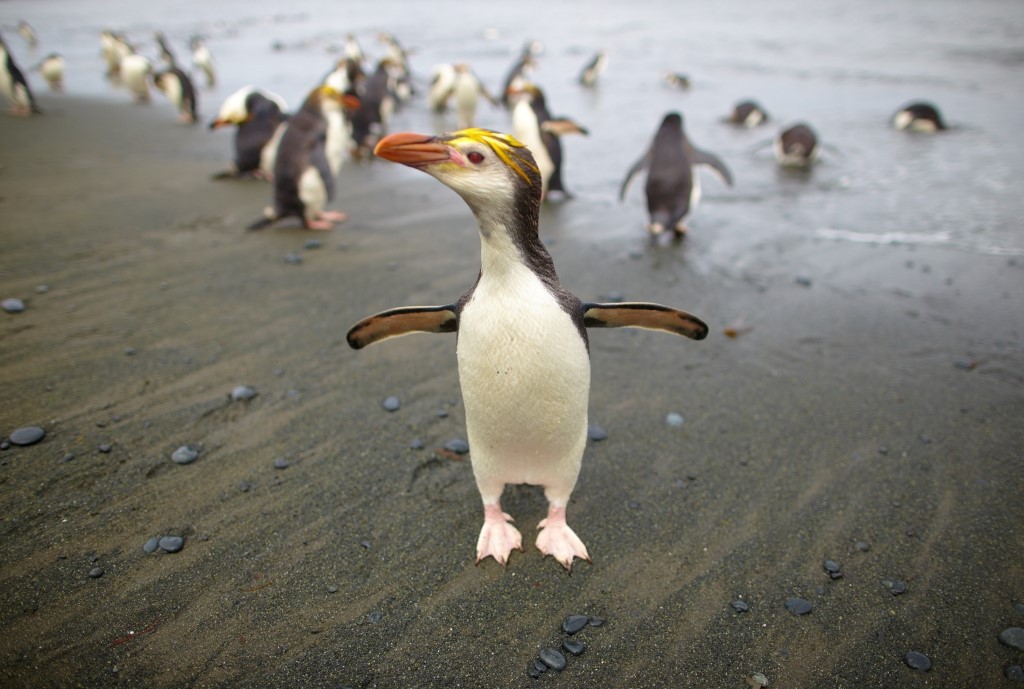
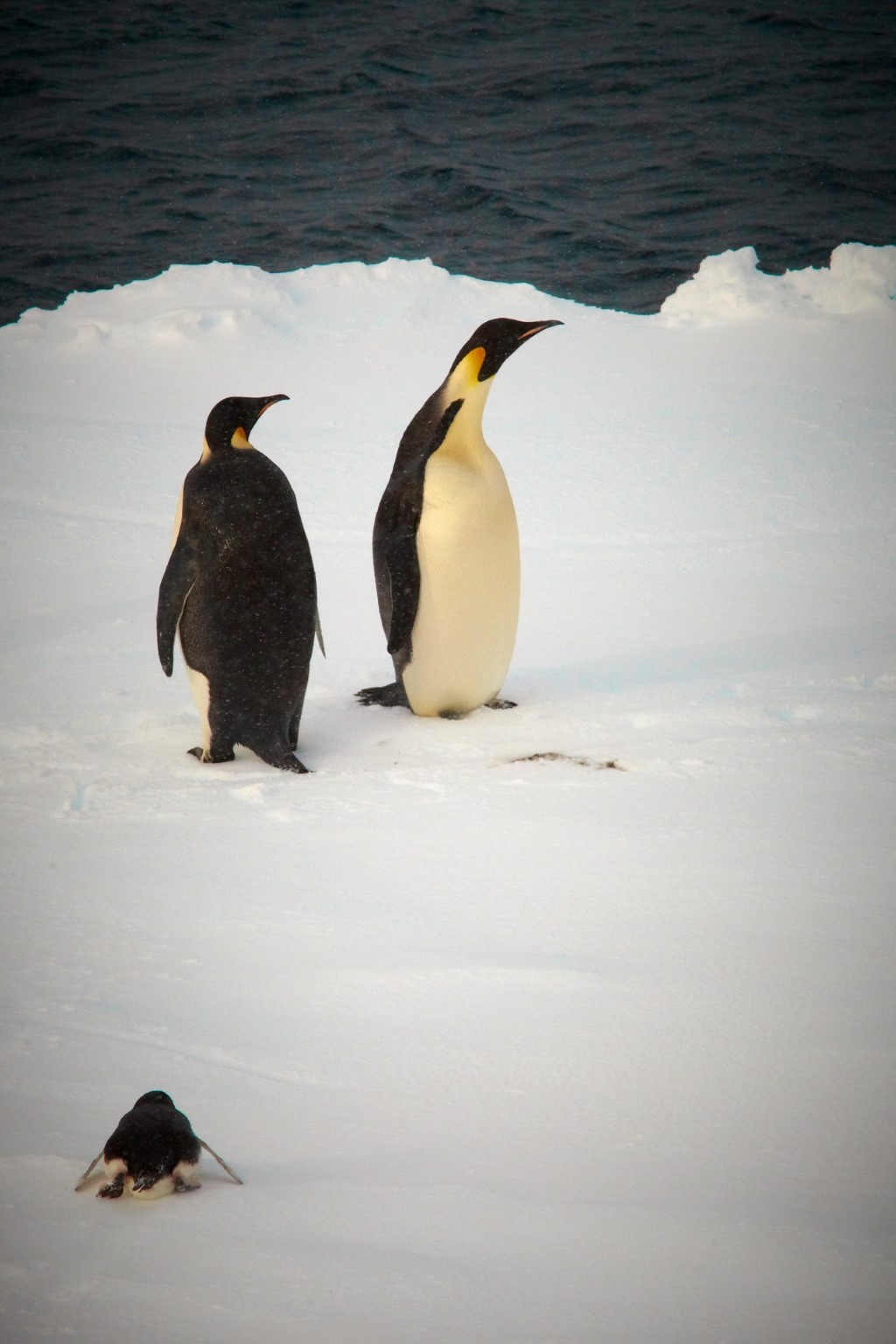
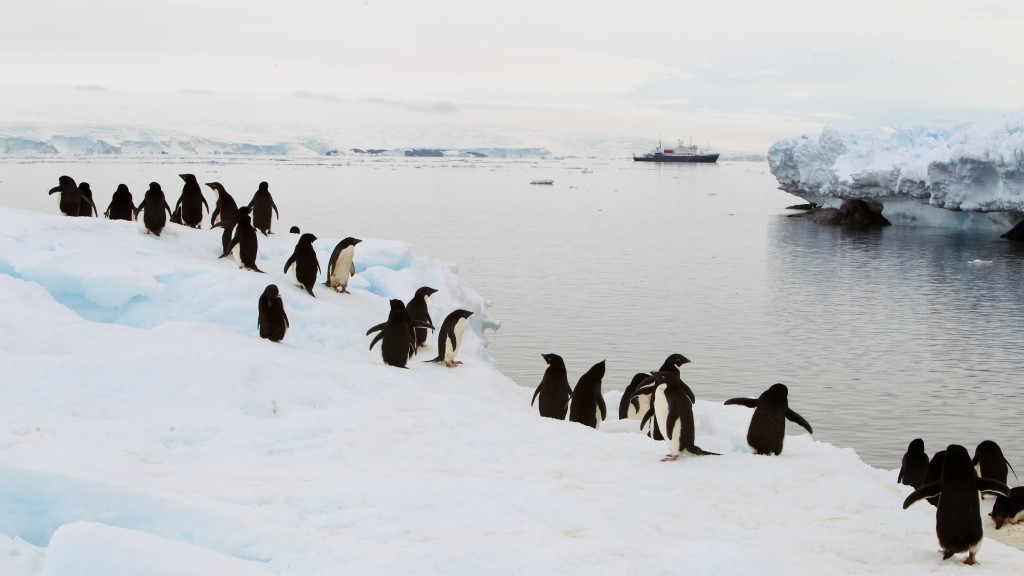
There is a large Emperor Penguin colony adjacent to Dumont d’Urville. This is the location of the film March of the Penguins. There are numerous Adelie penguin colonies scattered along the coastline. Breeding on the continent and on the many small islands are Wilson’s Storm Petrels, Snow Petrel (probably both Lesser and Greater), Antarctic Petrels, Antarctic Fulmars and Polar Skuas, Crabeater, Weddel and Leopard Seals are common.
Birding Highlights:
Country or region: Antarctica
Number of species: 46
Number of endemics: 1
Number of breeding endemics: 1
Number of globally threatened species: 5
The taxonomic order and nomenclature follows Clements 5th edition (updated 2005).
SPHENISCIFORMES: Spheniscidae
King Penguin Aptenodytes patagonicus
Emperor Penguin Aptenodytes forsteri Endemic
Gentoo Penguin Pygoscelis papua Near-threatened
Adelie Penguin Pygoscelis adeliae
Chinstrap Penguin Pygoscelis antarctica
Rockhopper Penguin Eudyptes chrysocome Vulnerable
Macaroni Penguin Eudyptes chrysolophus Vulnerable
PROCELLARIIFORMES: Diomedeidae
Wandering Albatross Diomedea exulans
Gray-headed Albatross Thalassarche chrysostoma Vulnerable
Black-browed Albatross Thalassarche melanophris
Sooty Albatross Phoebetria fusca Vulnerable
Light-mantled Albatross Phoebetria palpebrata Near-threatened
PROCELLARIIFORMES: Procellariidae
Antarctic Giant Petrel Macronectes giganteus Vulnerable
Hall's Giant Petrel Macronectes halli Near-threatened
Southern Fulmar Fulmarus glacialoides
Antarctic Petrel Thalassoica antarctica Breeding endemic
Cape Petrel Daption capense
Snow Petrel Pagodroma nivea
Great-winged Petrel Pterodroma macroptera
White-headed Petrel Pterodroma lessonii
Blue Petrel Halobaena caerulea
Broad-billed Prion Pachyptila vittata
Salvin's Prion Pachyptila salvini
Antarctic Prion Pachyptila desolata
Slender-billed Prion Pachyptila belcheri
Fairy Prion Pachyptila turtur
Gray Petrel Procellaria cinerea Near-threatened
White-chinned Petrel Procellaria aequinoctialis
Kerguelen Petrel Aphrodroma brevirostris
Sooty Shearwater Puffinus griseus
PROCELLARIIFORMES: Hydrobatidae
Gray-backed Storm-Petrel Garrodia nereis
Wilson's Storm-Petrel Oceanites oceanicus
Black-bellied Storm-Petrel Fregetta tropica
PROCELLARIIFORMES: Pelecanoididae
South Georgia Diving-Petrel Pelecanoides georgicus
Common Diving-Petrel Pelecanoides urinatrix
PELECANIFORMES: Phalacrocoracidae
Antarctic Shag Phalacrocorax bransfieldensis
Imperial Shag Phalacrocorax atriceps
Crozet Shag Phalacrocorax melanogenis
CICONIIFORMES: Ardeidae
Cattle Egret Bubulcus ibis
ANSERIFORMES: Anatidae
Yellow-billed Pintail Anas georgica
CHARADRIIFORMES: Chionididae
Snowy Sheathbill Chionis alba
CHARADRIIFORMES: Stercorariidae
South Polar Skua Stercorarius maccormicki
Brown Skua Stercorarius antarctica
CHARADRIIFORMES: Laridae
Kelp Gull Larus dominicanus
CHARADRIIFORMES: Sternidae
Arctic Tern Sterna paradisaea
Antarctic Tern Sterna vittata
Bird Checklists of the World is part of Avibase and Bird links to the World, which are designed and maintained by Denis Lepage, and hosted by Bird Studies Canada, which is a co-partner of Birdlife International.
© Denis Lepage 2006
Flora and Vegetation:
There is a large Emperor Penguin colony adjacent to Dumont d’Urville. This is the location of the film March of the Penguins. There are numerous Adelie penguin colonies scattered along the coastline. Breeding on the continent and on the many small islands are Wilson’s Storm Petrels, Snow Petrel (probably both Lesser and Greater), Antarctic Petrels, Antarctic Fulmars and Polar Skuas, Crabeater, Weddel and Leopard Seals are common.
Birding Highlights:
Country or region: Antarctica
Number of species: 46
Number of endemics: 1
Number of breeding endemics: 1
Number of globally threatened species: 5
The taxonomic order and nomenclature follows Clements 5th edition (updated 2005).
SPHENISCIFORMES: Spheniscidae
King Penguin Aptenodytes patagonicus
Emperor Penguin Aptenodytes forsteri Endemic
Gentoo Penguin Pygoscelis papua Near-threatened
Adelie Penguin Pygoscelis adeliae
Chinstrap Penguin Pygoscelis antarctica
Rockhopper Penguin Eudyptes chrysocome Vulnerable
Macaroni Penguin Eudyptes chrysolophus Vulnerable
PROCELLARIIFORMES: Diomedeidae
Wandering Albatross Diomedea exulans
Gray-headed Albatross Thalassarche chrysostoma Vulnerable
Black-browed Albatross Thalassarche melanophris
Sooty Albatross Phoebetria fusca Vulnerable
Light-mantled Albatross Phoebetria palpebrata Near-threatened
PROCELLARIIFORMES: Procellariidae
Antarctic Giant Petrel Macronectes giganteus Vulnerable
Hall's Giant Petrel Macronectes halli Near-threatened
Southern Fulmar Fulmarus glacialoides
Antarctic Petrel Thalassoica antarctica Breeding endemic
Cape Petrel Daption capense
Snow Petrel Pagodroma nivea
Great-winged Petrel Pterodroma macroptera
White-headed Petrel Pterodroma lessonii
Blue Petrel Halobaena caerulea
Broad-billed Prion Pachyptila vittata
Salvin's Prion Pachyptila salvini
Antarctic Prion Pachyptila desolata
Slender-billed Prion Pachyptila belcheri
Fairy Prion Pachyptila turtur
Gray Petrel Procellaria cinerea Near-threatened
White-chinned Petrel Procellaria aequinoctialis
Kerguelen Petrel Aphrodroma brevirostris
Sooty Shearwater Puffinus griseus
PROCELLARIIFORMES: Hydrobatidae
Gray-backed Storm-Petrel Garrodia nereis
Wilson's Storm-Petrel Oceanites oceanicus
Black-bellied Storm-Petrel Fregetta tropica
PROCELLARIIFORMES: Pelecanoididae
South Georgia Diving-Petrel Pelecanoides georgicus
Common Diving-Petrel Pelecanoides urinatrix
PELECANIFORMES: Phalacrocoracidae
Antarctic Shag Phalacrocorax bransfieldensis
Imperial Shag Phalacrocorax atriceps
Crozet Shag Phalacrocorax melanogenis
CICONIIFORMES: Ardeidae
Cattle Egret Bubulcus ibis
ANSERIFORMES: Anatidae
Yellow-billed Pintail Anas georgica
CHARADRIIFORMES: Chionididae
Snowy Sheathbill Chionis alba
CHARADRIIFORMES: Stercorariidae
South Polar Skua Stercorarius maccormicki
Brown Skua Stercorarius antarctica
CHARADRIIFORMES: Laridae
Kelp Gull Larus dominicanus
CHARADRIIFORMES: Sternidae
Arctic Tern Sterna paradisaea
Antarctic Tern Sterna vittata
Bird Checklists of the World is part of Avibase and Bird links to the World, which are designed and maintained by Denis Lepage, and hosted by Bird Studies Canada, which is a co-partner of Birdlife International.
© Denis Lepage 2006

Further Reading
- Ayres, Philip - Mawson – A Life, The Miegunyah Press 1999.
- Fletcher, H - Antarctic Days with Mawson, Angus and Robertson, 1984.
- Hall Lincoln - Douglas Mawson – the life of an explorer, New Holland Publishers, 2000.
- Larsen, C - South with Mawson, Australasian, 1947.
- Mawson, D - The Home of the Blizzard, Heinemann, 1977.
- McIntyre, D - Two Below Zero: a year alone in Antarctica, Australian Geographic 1996.
- Ayres, Philip - Mawson – A Life, The Miegunyah Press 1999.
- Fletcher, H - Antarctic Days with Mawson, Angus and Robertson, 1984.
- Hall Lincoln - Douglas Mawson – the life of an explorer, New Holland Publishers, 2000.
- Larsen, C - South with Mawson, Australasian, 1947.
- Mawson, D - The Home of the Blizzard, Heinemann, 1977.
- McIntyre, D - Two Below Zero: a year alone in Antarctica, Australian Geographic 1996.
BLOG
East Antarctica
07 Jan 2023
The recent "In the Wake of Scott & Shackleton: Ross Sea Antarctica" expedition aboard Heritage Adventurer has concluded. The Species List for th…READ MORE
10 Feb 2020
The recent 'In the Wake of Mawson' #1943 expedition aboard 'Akademik Shokalskiy' has concluded. The Species List for this voyage is now…READ MORE
26 Jun 2019
Celebrate Christmas inside legendary Australian Explorer Sir Douglas Mawson's Hut at Cape Denison, Antarctica.
Follow in the footsteps of legendary …READ MORE


.jpg)
.jpg)
.jpg)
.jpg)